Repeated anal swelling prolapse, a large amount of blood in the stool for more than a month, even walking bursts of dizziness, a small hemorrhoids actually dragged to the severe anemia before seeking medical treatment, why is she so?
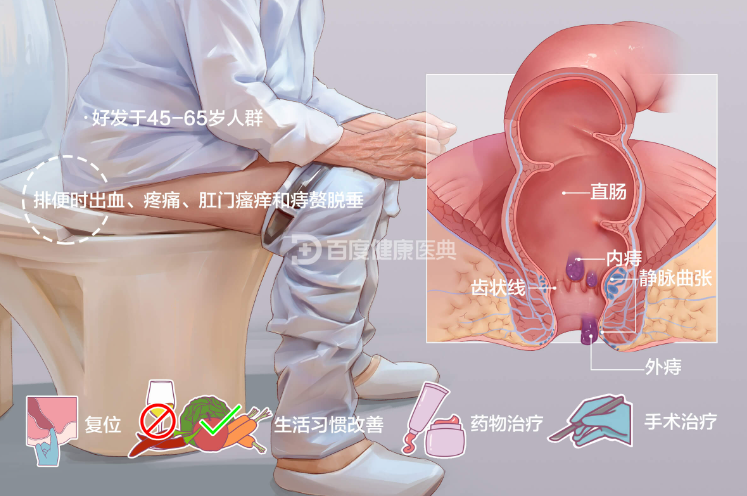
More than a month ago, Ms. Chen (a pseudonym) developed a protruding anal swelling after defecation, with blood dripping during defecation, in large quantities and bright red in color. At first, the swelling can be self-recovery. But as time goes by, the condition is getting more and more serious: the swelling needs to be massaged by hand to be sent back, and it even falls out soon after it is sent back; anal swelling, pain, itching, and foreign body sensation take turns to come out. Even though she tried to adjust her diet, the symptoms were not relieved at all.
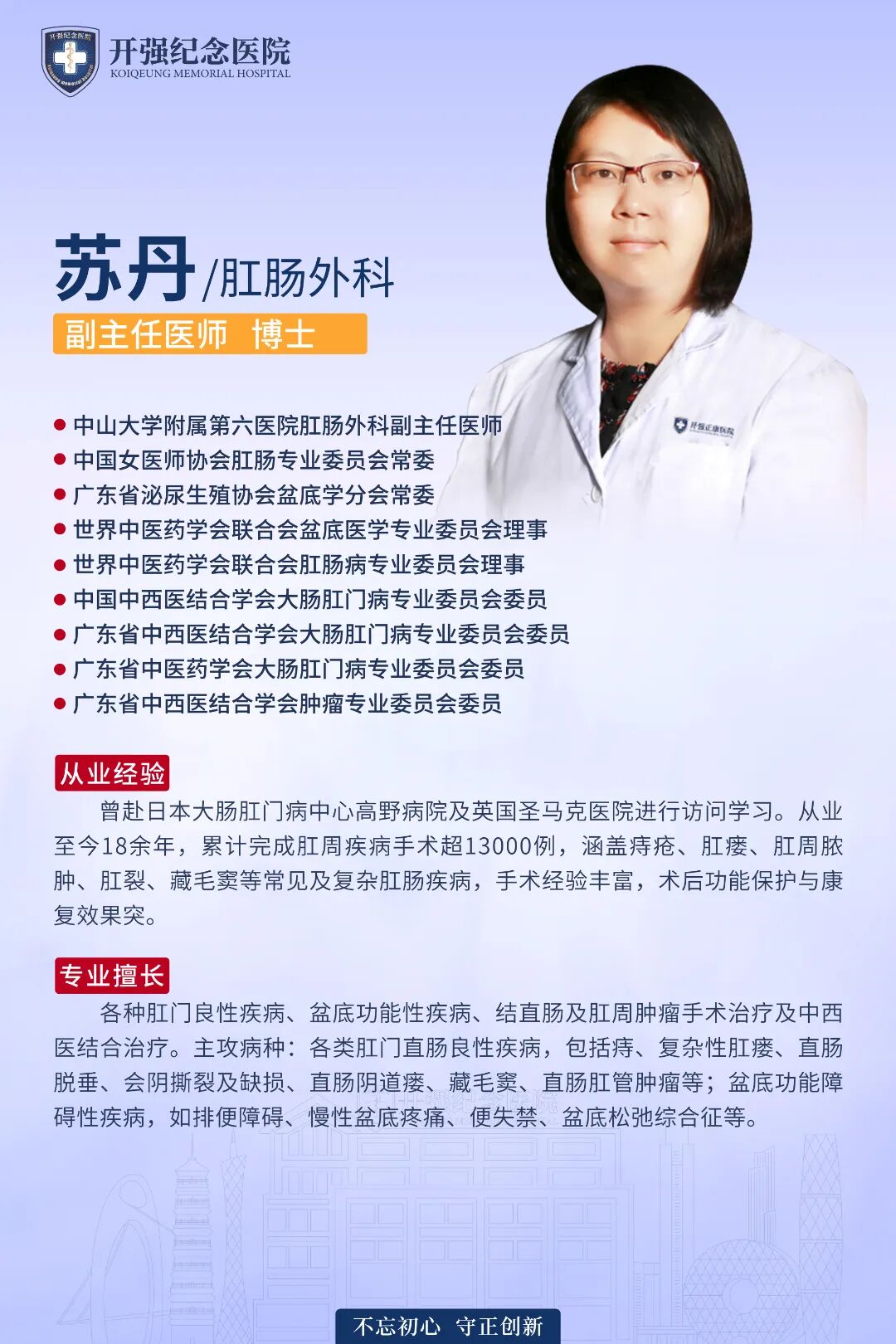
It was only in the last week that Ms. Chan noticed that her dizziness and fatigue were becoming more and more pronounced, and the frequency of anal mass prolapse increased dramatically, with more bleeding than before. She finally realized that she couldn't put it off any longer, so she came to the Department of Anorectal Surgery at Kaiqiang Memorial Hospital and found Director Sultan.
After detailed questioning of medical history, Director Sudan conducted relevant examinations for Ms. Chen, and finally diagnosed mixed hemorrhoids accompanied by severe anemia. Many patients have cognitive misunderstandings about hemorrhoids, thinking that ‘it's not a big disease and can be delayed’, not knowing that long-term chronic bleeding can easily lead to severe anemia, and in severe cases, even fainting, shock, and repeated prolapse of hemorrhoidal nuclei, if embedded, can also lead to necrosis of tissues, the consequences are very serious. Ms. Chen's situation has been conservative treatment is ineffective, and the symptoms of anemia is obvious, must be as soon as possible through the surgery to solve the original disease, in order to solve the problem from the root.

In response to Ms. Chen's specific condition, Director Sudan's team conducted a thorough preoperative assessment: the patient had a combination of circumferential hemorrhoidal prolapse and rectal mucosal prolapse, as well as multiple points of mixed hemorrhoidal prolapse, which made it very difficult to achieve the desired results by simply using one type of surgery. After detailed discussion, the team finally formulated the “Circumferential excision anastomosis of superior rectal mucosa (PPH) + external stripping and internal ligation of mixed hemorrhoids + hemorrhoidectomy with anoplasty”The combined surgical plan of "PPH" can not only suspend the prolapsed anal cushion and solve the problem of mucosal laxity, but also deal with the residual external hemorrhoidal core through external peeling and internal ligation, and finally repair the trauma through anoplasty, taking into account the efficacy and anal function protection.
The whole operation went smoothly with minimal bleeding, and the excised hemorrhoidal tissue was routinely sent for pathological examination. Under the careful care of the nursing team of the Department of Anal and Intestinal Surgery, Ms. Chen's symptoms of blood in stool completely disappeared, the problem of anal prolapse was completely solved, and the symptoms of anemia, such as dizziness, gradually improved, and she was discharged from the hospital successfully.
Many patients often have concerns about hemorrhoid surgery, worrying that it will be painful or interfere with anal function.In fact, in the case of Ms. Chen, her postoperative pain management was remarkable through the implementation of the comprehensive strategy of “minimally invasive surgery + multiple pain relief”. We used multiple measures, including intra-anal pain suppositories, liposomal bupivacaine long-acting infiltration anesthesia, and postoperative intravenous analgesic pumps, to make the patient basically “pain-free” (i.e., very mild pain that does not interfere with rest and daily activities).
The combined multi-operative treatment plan has better long-term efficacy and lower recurrence rate than a single surgery, and while completely removing the lesion, it maximizes the protection of normal anal cushion tissues and anal function, and reduces postoperative pain and complications.

※Repeated blood in the stool, no matter how much or how little it is, you must consult a doctor.
Blood in the stool is not only a typical symptom of hemorrhoids, but may also be a signal of serious diseases such as rectal cancer, and cannot be simply self-diagnosed as “fire” or “hemorrhoids”.
※ Prolapse of anal swelling is a clear sign of aggravation of the disease
From “self-contained” → “need to be manually pushed back” → “unable to contain (embedded)”, each stage suggests that the hemorrhoids are deteriorating, and the earlier the surgery, the less traumatic it will be.
※ Prolonged blood in the stool can lead to severe anemia, endangering the health of the whole body.
Like Ms. Chen to delay until dizziness, fatigue to seek medical attention, already belongs to the severe anemia, seriously affecting the heart and brain blood supply, and may even fainting.
★Expert reminder:Hemorrhoids are the most common anorectal disease, there are symptoms should not be avoided, not to mention delayed, early intervention is not only simple treatment, recovery is also faster.If symptoms such as bleeding after defecation, prolapse of a mass, anal pain and itching are presentWhen it affects your daily life, you must go to a regular hospital in time to avoid a minor illness from dragging into a serious one.
◆Anal Surgery ◆
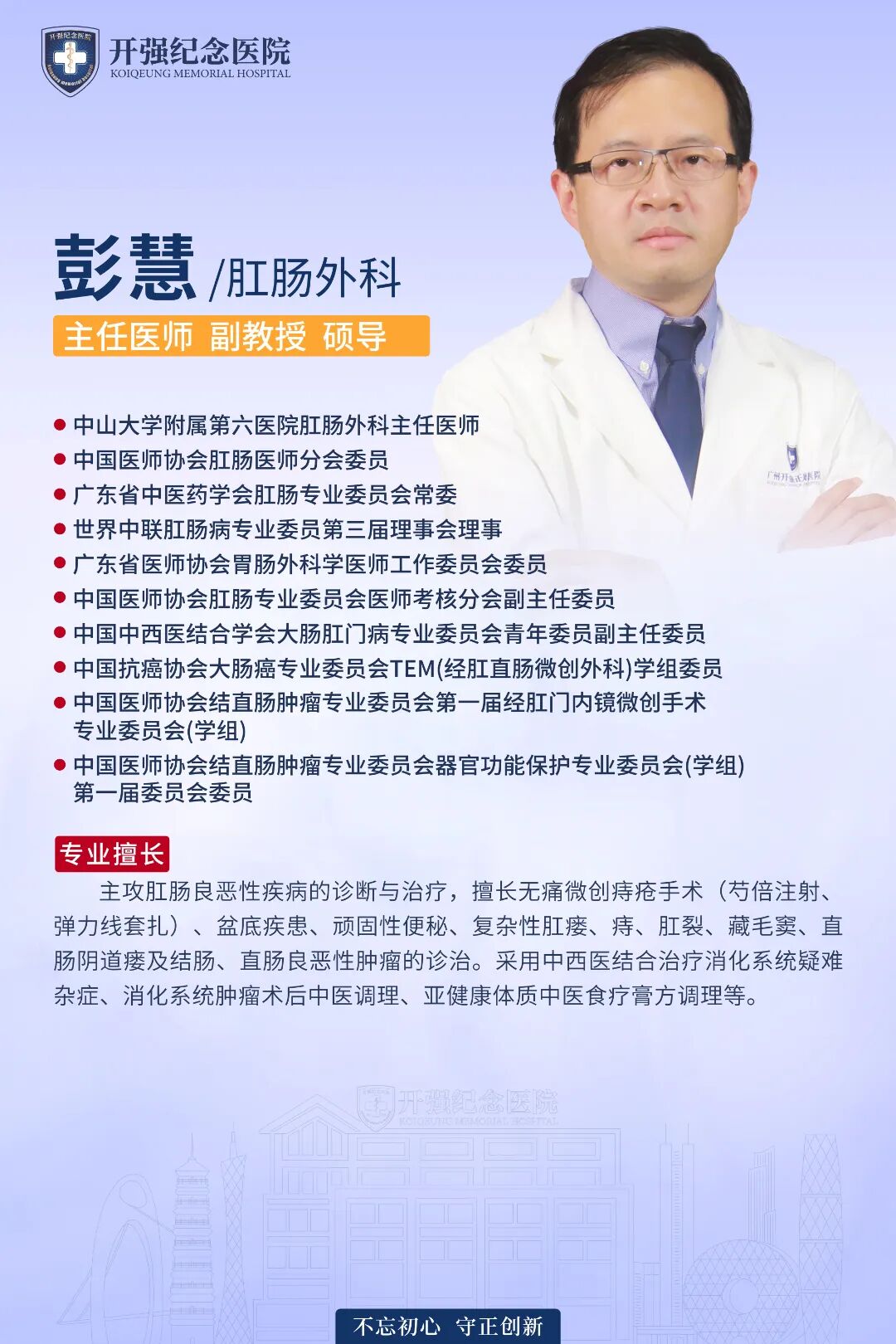
The Department of Anorectal Surgery at Kai Keung Memorial Hospital has brought together a group of senior specialists who are deeply committed to the field of anorectal surgery. Led by Director Peng Hui and Director Sultan, the Department integrates the strengths of both Chinese and Western medicine to form an all-encompassing diagnostic and treatment system that covers pelvic floor disorders, benign anus diseases, and colorectal tumors.
The department team provides standardized and integrated diagnosis, treatment and follow-up of colorectal and anal diseases. From diagnosis, treatment and prognosis assessment, nutritional counseling and supportive therapy, psychological counseling and communication to surgical or pharmacological treatments, as well as post-discharge rehabilitation follow-up, the department provides the highest quality of specialized services.
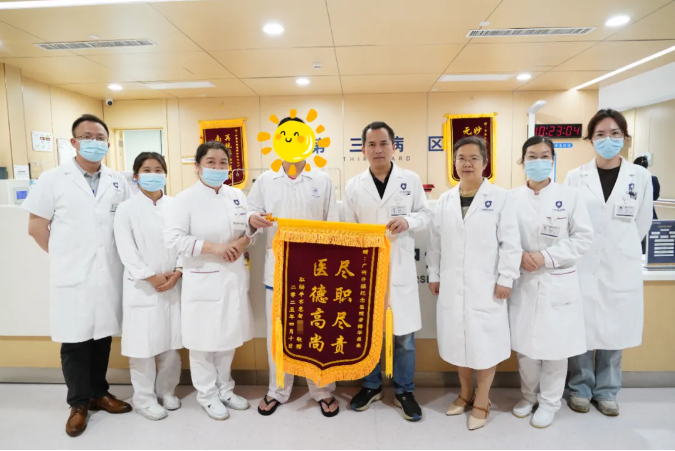
The department actively practices the concept of “one-stop service”, adopts the form of multidisciplinary experts' joint consultation, and applies various advanced diagnostic and treatment technologies leading in China, so that patients with colorectal and perianal tumors and cancers can receive joint consultation from experts of several related specialties at one time, and obtain the best treatment effect in the shortest time.