

It's hard to get a “double bar” test, and you're waiting for your baby to arrive with great joy, only to have a fetal arrest, biochemistry, or spontaneous abortion a few weeks later. Once is an accident, two or three times is never “bad luck”.

Many women who have experienced recurrent miscarriages fall into deep self-blame: “Was it my poor health?” “Was I careless?” “Did I do something wrong in my past life?”
Be sure to remember that:Repeated miscarriages are not your fault, and they are not a sign that you are not meant to have children. It is your body signaling to you that there must be an identifiable and treatable cause.
Recognize one thing first:
≥2 miscarriages must be treated as a “disease”.
Medically, 2 or more consecutive spontaneous miscarriages or fetal arrests are considered recurrent miscarriages.This is no longer a casual phenomenon, but a clear reproductive health issue.
Early fetal arrest, miscarriage, and 90% and above all have medical etiologies.Most of those who carry on, blindly carry another pregnancy, or rely on the so-called “birth control pills” to keep the baby alive, will repeat the same mistakes, but delay the best time for treatment.
These 5 types of causes below are the core issues that are prioritized for troubleshooting. You can check them against each other and get a head start in your mind.
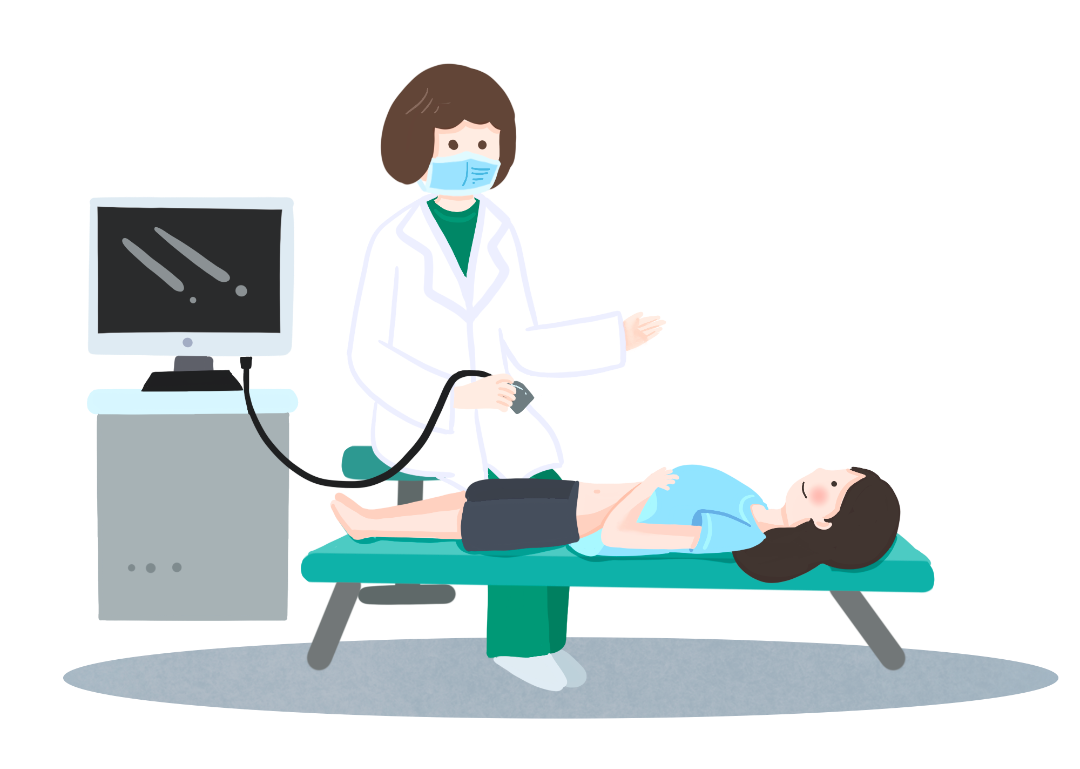
Embryonic chromosomal abnormalities account for 50% to 60%, which is the main cause and a point that many people overlook.
The seed itself is faulty, and even the most fertile ground will not grow. An embryo with one extra chromosome, one less chromosome, or an abnormal structure will naturally stop developing at an early stage. This is the human body's “survival of the fittest”, not your failure to protect the fetus.
★ Must be done:
-
After abortion, chromosome/CNV/gene chip testing was done on the aborted tissue;
-
Peripheral blood karyotyping was performed simultaneously for both spouses;
-
If it is confirmed that the embryo has a chromosomal problem, healthy embryos can be screened through third-generation IVF to significantly reduce the risk of re-miscarriage.
Your immune system is supposed to protect you, but when it is disorganized, it attacks the embryo as a “foreign body”.
The most common scenarios include:
-
Antiphospholipid Antibody Syndrome: tends to form placental microthrombi, cutting off the blood supply to the baby;
-
Positive antinuclear antibodies;
-
NK cell hyperactivity.
A lot of people check all the way around and are normal, favoring immunizations that aren't checked, and end up stuck on that loop.
★ Items to check:
Antiphospholipid antibody profile, antinuclear antibodies, lymphocyte subsets, and coagulation-related markers.
In the early stages of pregnancy, it is all up to the endocrine system. The slightest abnormality can lead to fetal arrest.
Frequently Asked Questions:
-
Luteal insufficiency: progesterone is too low for the lining to support the embryo;
-
Thyroid abnormalities: hyperthyroidism, hypothyroidism, elevated thyroid autoantibodies;
-
Hyperprolactinemia, blood glucose/insulin abnormalities.
Many sisters only check HCG and progesterone, but not systematically check the endocrine, which is equal to a waste of time.
The timing of the inspection is important:
Day 2 to 4 of menstruation: check sex hormone VI and thyroid function;
Around day 7 after ovulation: check progesterone and assess luteal function.
The uterus is the baby's first home. When the house is deformed and cluttered, the embryo naturally cannot stay.
These problems are common:
-
Congenital anomalies such as mediastinal uterus and unicornuate uterus;
-
Uterine adhesions;
-
Submucosal fibroids, endometrial polyps.
A 3-D ultrasound can give a general view, but the gold standard is a hysteroscope - the ability to look directly inside the uterine cavity and synchronize the treatment of any problems.
These two types are very “insidious”, usually do not feel it, once pregnant, it is bad.
-
Easy embolism: blood clots too easily, the microvessels of the placenta are blocked, and the baby is deprived of oxygen and stops labor;
-
Chronic endometritis: no obvious abdominal pain or leukorrhea, but quietly destroys the lining environment;
-
Infections such as Mycoplasma, Chlamydia, and TORCH.
Many people take the report of “normal general physical examination”, but did not check these items, and the result is disappointed again and again.
◆To preserve the fetus without blindness◆

Many pregnant women who have recurrent miscarriages blame themselves, are anxious, and are even afraid to try to get pregnant again. But believe this: recurrent miscarriage is a medical problem, it's not your fault, you just need more specialized and precise help.
Reproductive medicine is now able to help the vast majority of recurrent miscarriage mothers to conceive, keep, and give birth to healthy babies.
You don't need to be hard on yourself. Go to a specialized fertility or fertility preservation clinic and get a systematic screening for the cause. Every time you find out a definite problem, you are a big step closer to success.
◆ Fertility Preservation Clinic ◆
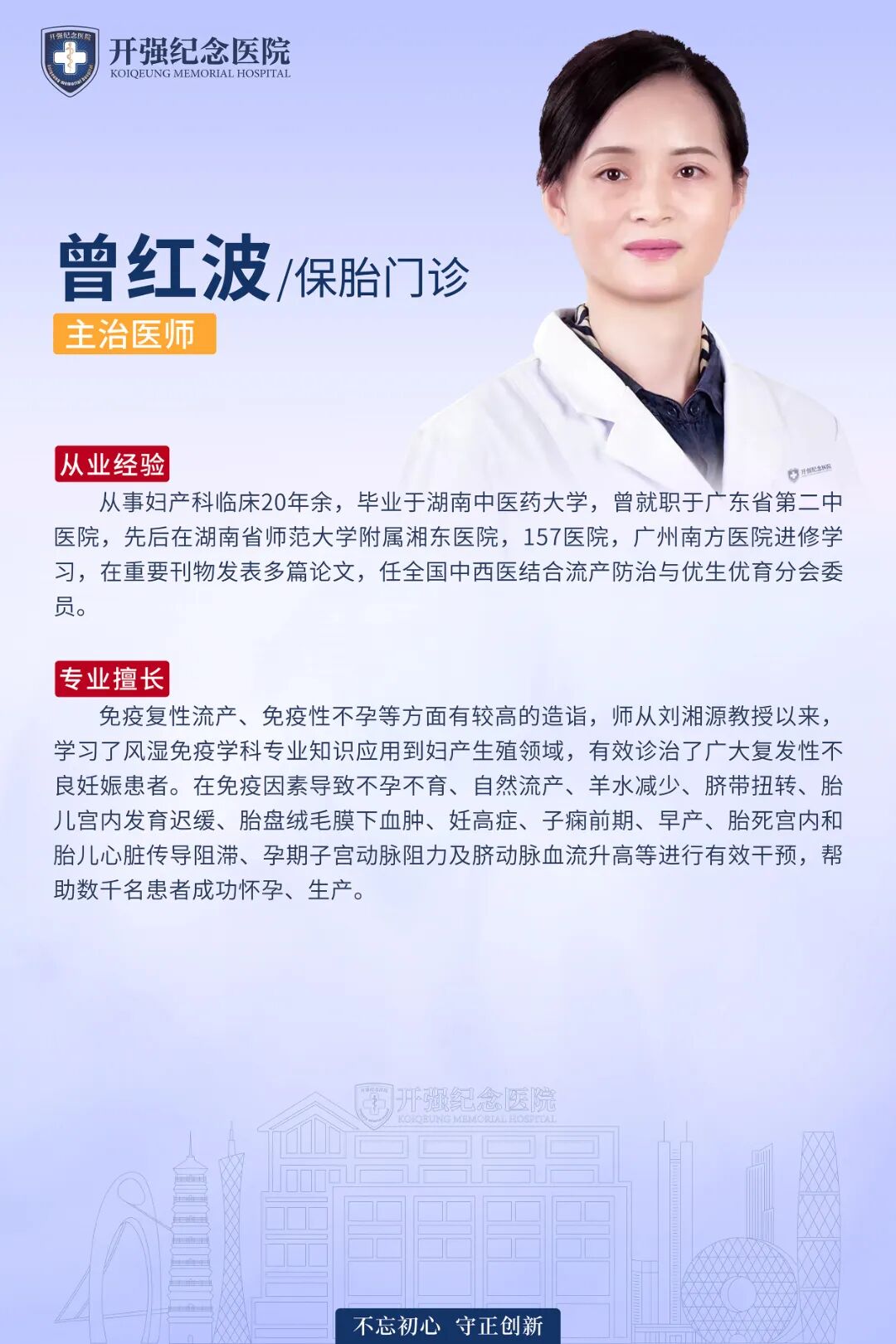
Kai Keung Memorial Hospital has a fertility preservation clinic. Director Zeng Hongbo of the clinic has expertise in the field of reproductive immunity, especially in the diagnosis and treatment of immune recurrent miscarriage and immune infertility. His diagnosis and treatment is characterized by studying under Professor Liu Xiangyuan, a renowned expert in the intersection of rheumatism and immunity and reproduction in China, who systematically applies cutting-edge knowledge of rheumatism and immunity to the field of gynecology and reproduction, and has provided new diagnostic and treatment ideas for many patients with recurrent adverse pregnancies.
In the clinic, Director Zeng has accumulated rich experience in effective interventions for a variety of complex pregnancy complications such as infertility, spontaneous abortion, intrauterine fetal growth retardation, and pre-eclampsia caused by immune factors, and has helped a large number of patients have successful pregnancies and deliveries.

Disclaimer: This article only provides routine health science, related medical issues please consult a medical professional, if you are not feeling well, please seek medical attention. This article part of the picture and material from the network, if any infringement, please contact the editor to delete!